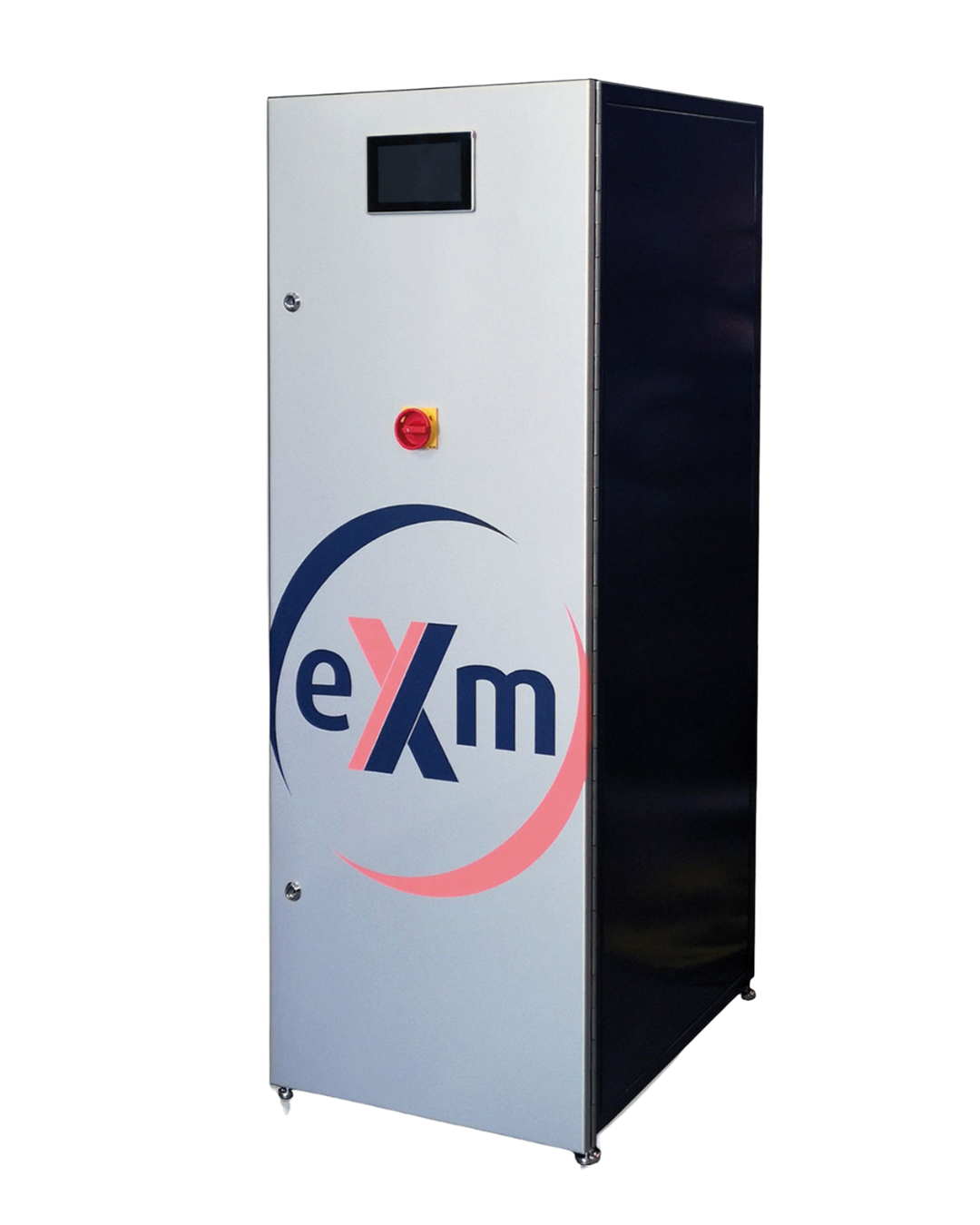
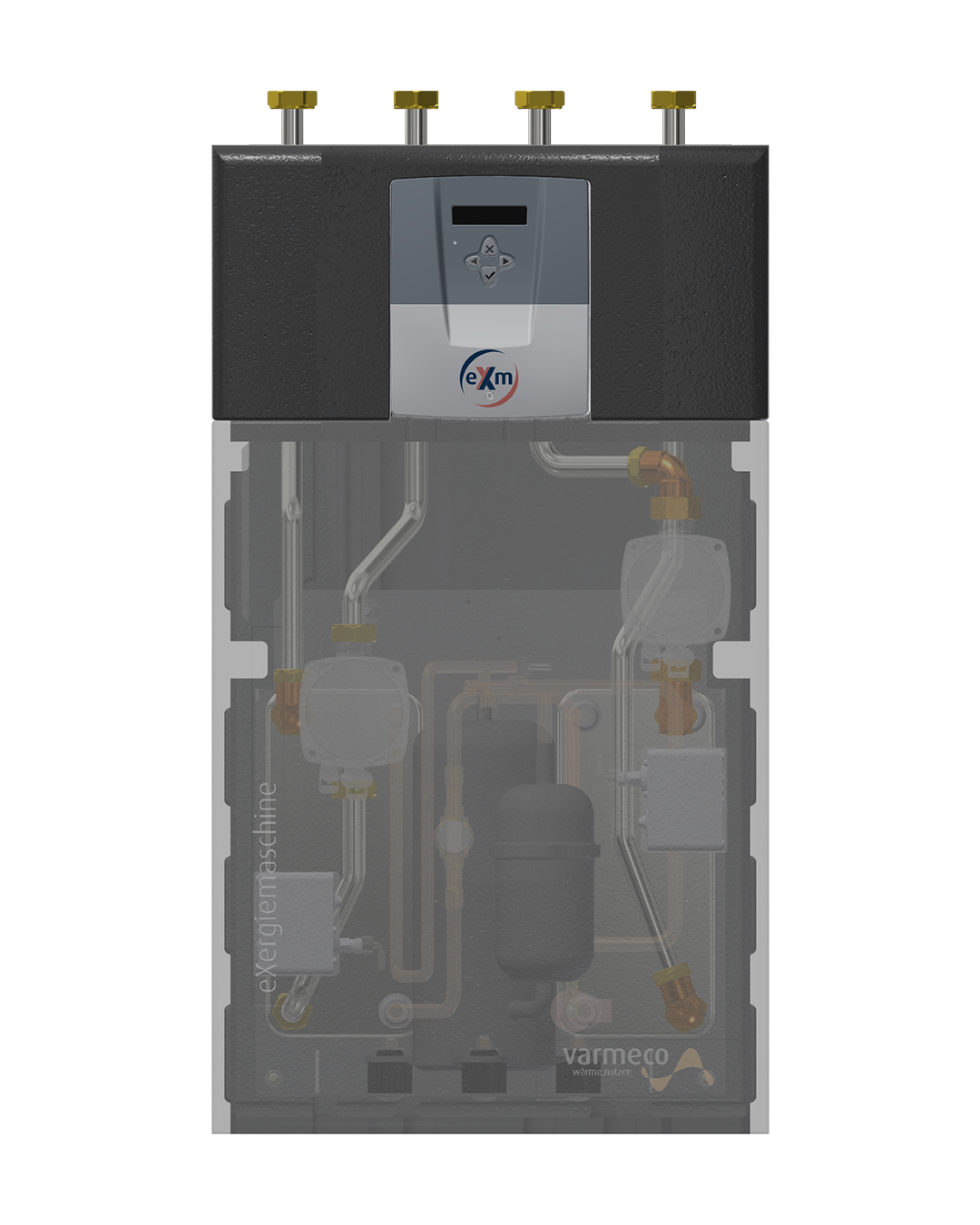
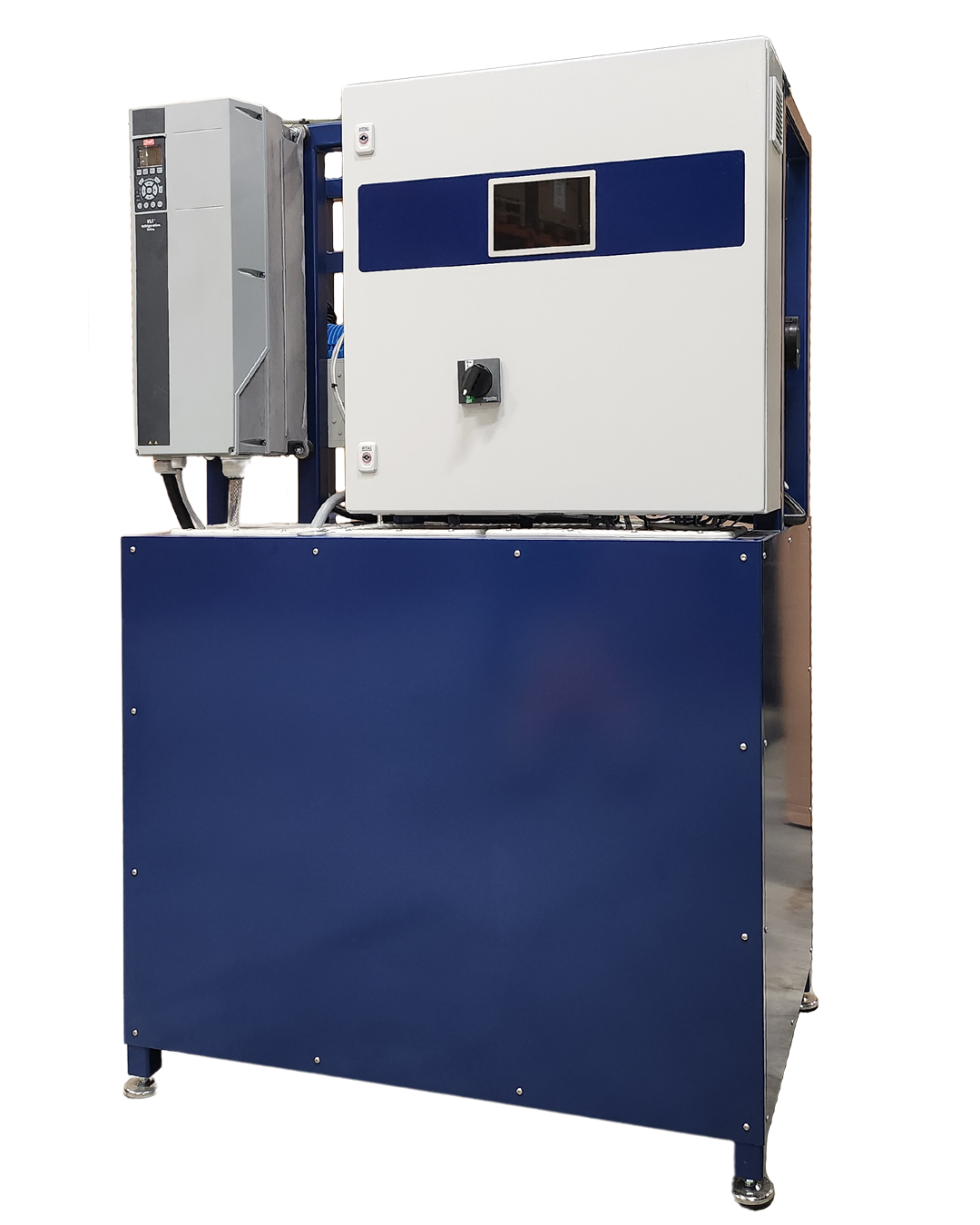
With the eXergiemaschine, eXm® for short, turns unused energy into usable heating and cooling. For the first time, it efficiently solves a large number of long-known temperature problems in heating technology. The eXergiemaschine is based on the Carnot process, which operates in a temperature range of 20 to 80 °C, previously reserved for large industrial systems. It is simply integrated into the building's heating system via one or two buffer tanks.
With the eXergiemaschine, waste heat and solar heat can be better utilized, heat sources can achieve higher efficiencies thanks to lower return temperatures and systems with domestic hot water heating work more efficiently despite circulation.
It therefore represents another promising piece in the mosaic for linking the renewable electricity sector with the heating sector.
Stai visualizzando un contenuto segnaposto da YouTube. Per accedere al contenuto effettivo, clicca sul pulsante sottostante. Si prega di notare che in questo modo si condividono i dati con provider di terze parti.
Our answers to frequently asked questions about the eXergiemaschine (eXm)
What is the eXergiemaschine (eXm)?
The eXm is a special electrically operated water-to-water heat pump that efficiently provides defined target temperatures in the range from 20 to 80 °C in a wide variety of heating systems.
How does the eXm work?
The way the eXm works is based on the thermodynamic Carnot process, which efficiently converts available energy into usable heating temperatures.
What advantages does the eXm offer in operation?
The advantages of the eXm are lower operating costs, a better energy balance and sustainable use of existing resources in the heating system.
For which systems is the exergy machine suitable?
The eXm is designed for both new and existing systems. It can be combined with heat pumps, waste heat, district heating, solar thermal energy, PVT systems and fossil heat generators, thus offering a high degree of flexibility in system integration.
Can the eXm also be combined with heat pumps?
Yes, the eXm is the perfect complement to heat pumps. While the heat pump supplies the base temperature, the eXm efficiently generates higher temperatures. This increases the performance of the overall system.
What effect does the eXm have on energy consumption?
The eXm uses energy that would otherwise have to be disposed of at additional cost and provides defined temperature conditions. This leads to a significantly more efficient use of resources.
Does the eXm require a lot of space or major conversions?
The smallest eXm requires around 1 m² of floor space, the largest around 2 m² including the maintenance area. It covers a power range from 3 to 100 kW and can be easily integrated into existing hydraulic concepts via four connections.
Making better use of heat. With the eXergy machine.
Unused energy becomes eXergy - heat that can be put to good use.